



The “Silent” Numbers: How to Measure Blood Pressure Correctly at Home
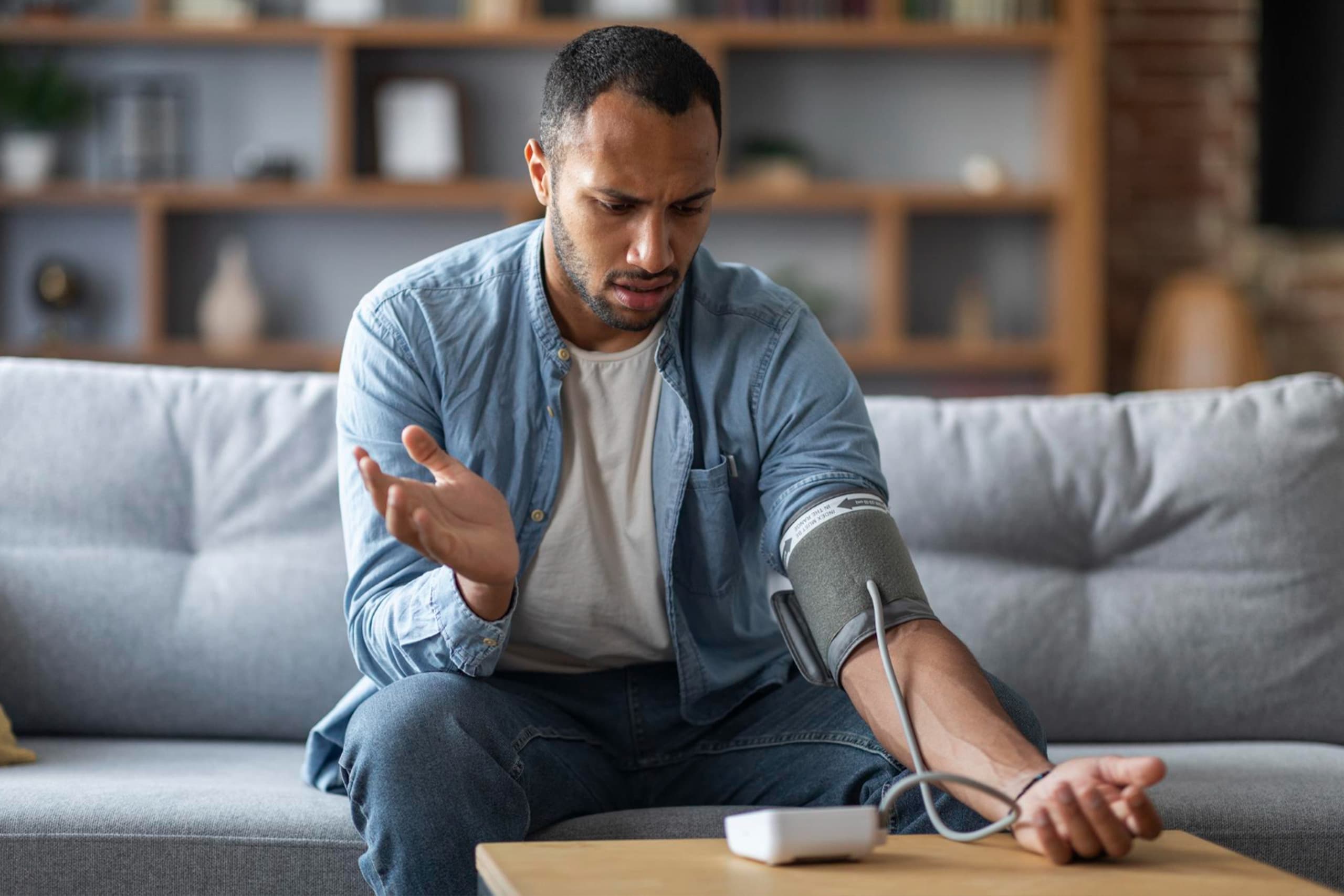
You sit down at the kitchen table. You slip the cuff on. You press “Start.” The machine squeezes your arm and then it beeps.
The number is high. Panic hits. “Is my medication working? Do I need the ER?”
Before you panic, stop.
Home monitoring is one of the best tools for managing high blood pressure. It can also help confirm readings outside the clinic. But home monitors are sensitive. Small technique errors can change your reading by 10 points or more. That can turn a calm day into a crisis, or worse, lead to the wrong treatment decisions.
Use this checklist so your numbers are real.
1. The “30-Minute Rule” (Preparation)
Your blood pressure moves all day. If you measure right after a trigger, you capture a temporary spike, not your baseline.
Avoid these for 30 minutes before measuring:
- Caffeine: coffee, tea, energy drinks
- Smoking or nicotine: vaping, cigarettes, nicotine products
- Exercise: even rushing up stairs can raise your reading
The bathroom factor: empty your bladder first. A full bladder can raise your reading by about 10 mmHg.
2. The “Silent Statue” Pose (Positioning)
If your body is tense or unsupported, your blood pressure rises.
The correct pose:
- Back supported: sit in a chair, not a sofa. Rest your back on the chair.
- Feet flat: keep both feet on the floor. Do not cross your legs.
- Arm supported at heart level: rest your arm on a table so the cuff is level with your heart.
Two rules that matter more than people think:
- Rest first: sit quietly for 5 minutes before you press the button.
- Do not talk: talking (even casual conversation) can raise the measurement, often by around 10 mmHg.
3. The Cuff Conundrum (Size and Placement)
This is the most common technical error.
Size matters: cuffs are not one-size-fits-all.
- If the cuff is too small, it can read falsely high.
- If the cuff is too large, it can read falsely low.
Quick fit check: the cuff should be snug, but you should still be able to slip two fingertips underneath.
Bare arm only: place the cuff on bare skin. A cuff over clothing can distort readings a lot.
4. Wrist vs. Upper Arm Monitors
Wrist monitors look convenient, but they are much more position-sensitive. If the wrist is not exactly at heart level, the reading can be off.
Best choice for most people: a validated upper-arm monitor with the correct cuff size.
If you must use a wrist monitor, follow the manual carefully and keep the wrist at heart level for every reading.
5. The “Rule of Three” (Frequency)
One reading is not enough. The first reading is often higher because people tense up.
The protocol:
- Take a reading and write it down.
- Wait 1 minute.
- Take a second reading.
- If the numbers are far apart, take a third reading.
Use the average (often the last two readings) as your best estimate.
When to measure: take readings at the same time each day. Many programs recommend morning and evening, especially when you are first tracking or adjusting a plan.
Summary: Don’t Treat the Number, Treat the Trend
A single high reading is usually not an emergency. Stress, poor sleep, pain, salt, and technique errors can all cause one-off spikes.
What matters is the pattern. If you follow the steps above and your readings stay consistently above your goal for several days, that is useful data for your clinician.
Emergency rule: if your blood pressure is above 180/120 and you have symptoms such as chest pain, shortness of breath, weakness, vision changes, or trouble speaking, seek emergency care.
Is Your Monitor Accurate?
Monitors can drift over time, and cuff size is a frequent problem. Bring your monitor to the pharmacy so we can compare it with professional equipment and confirm you are using the right cuff and technique.