



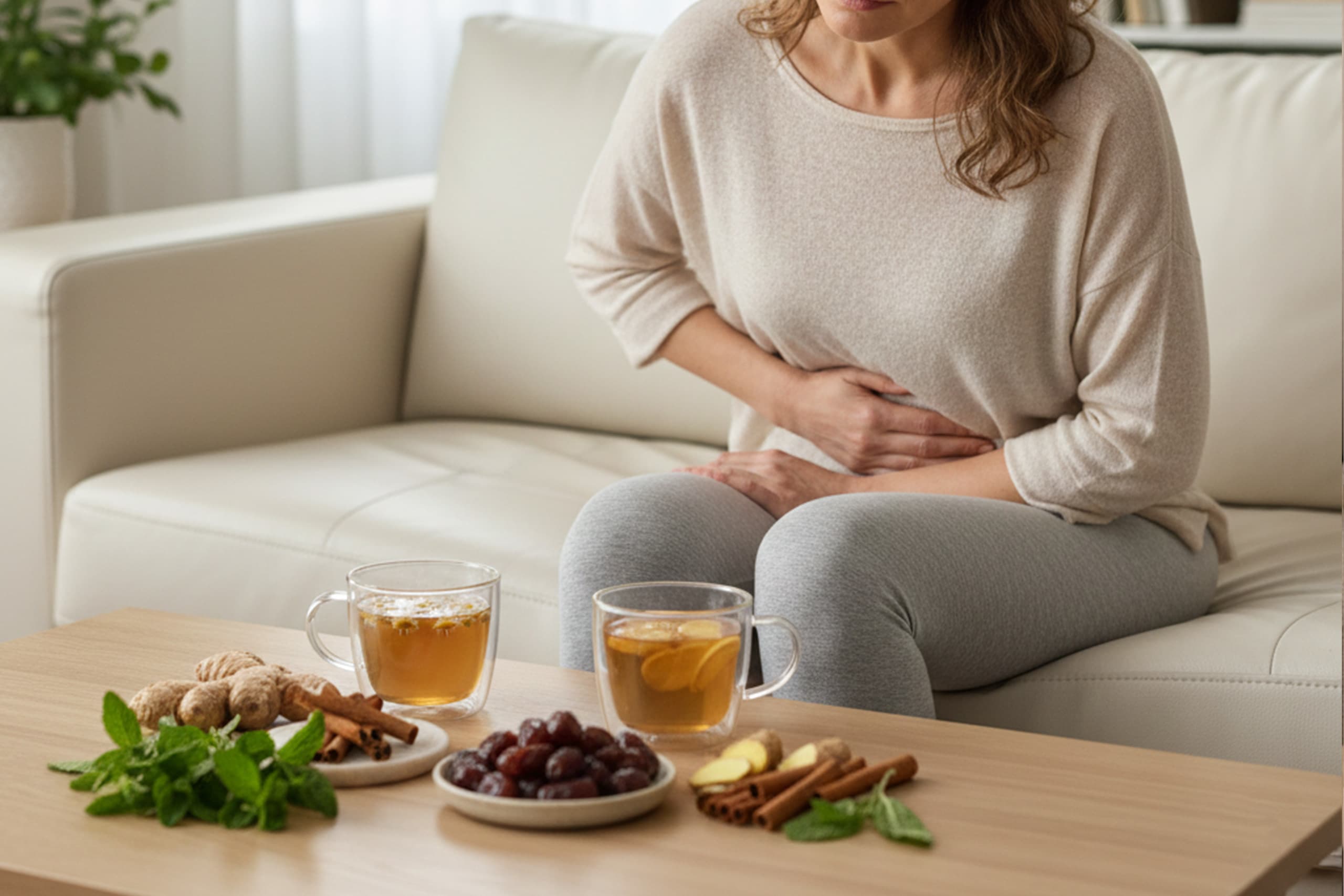
Beyond the Painkillers: Your Guide to Less Painful Periods Naturally
For many women, the monthly cycle arrives with an unwelcome guest: pain.
It can start as a dull ache in the lower back, then tighten around the abdomen. For some, it is annoying. For others, period pain (medically known as dysmenorrhea) is intense enough to disrupt work, school, and plans.
The standard solution is often an NSAID like ibuprofen. They can work well, but not everyone can take them, and some people prefer a more holistic plan. The good news is that many cases of primary dysmenorrhea respond to a combination of simple, evidence-backed tools.
Important: If your pain is severe, suddenly worse than usual, or comes with other warning signs, get checked to rule out conditions like endometriosis, fibroids, or infection.
Here are the most effective natural remedies for period pain, with practical “how to use it” steps.
1. Why Do We Cramp? (The Science Bit)
To calm cramps, it helps to understand where they come from.
During your period, the uterus contracts to shed its lining. Those contractions are triggered by natural chemicals called prostaglandins, which are involved in pain and inflammation.
The pattern: Higher prostaglandin activity is usually linked to stronger cramps and more inflammation.
Most natural strategies aim to do two things: relax uterine muscle and lower the inflammation signal.
2. Heat Therapy: The Oldest Tool, Still One of the Best
If you only try one thing from this list, try heat. It is simple, low risk for most people, and surprisingly effective.
Heat increases local blood flow and can help tense muscles relax. In a randomized trial, continuous low-level heat performed similarly to ibuprofen for menstrual pain relief.
How to Do It Right
The hot water bottle or heating pad: Place it on the lower abdomen (or lower back). Use a comfortable warmth, not “scalding hot.”
Heat patches: Useful for work or school. Follow the product instructions and avoid placing patches directly on irritated skin.
Warm bath or shower: Helpful when your whole body is tensing up, especially the back and thighs.
Safety note: Avoid falling asleep on high heat, and use a cloth barrier if your skin is sensitive to prevent burns.
3. Magnesium: The “Relaxation Mineral”
Magnesium supports normal muscle function. Some small trials suggest magnesium may reduce menstrual pain compared with placebo, although results are not identical across all studies. For many people, it is worth trying because it is low cost and usually well tolerated when used correctly.
How to Use It
Food first: Prioritize magnesium-rich foods like leafy greens, nuts, seeds (especially pumpkin seeds), legumes, and dark chocolate.
Supplements (if needed): Common gentle forms include magnesium glycinate, magnesium gluconate, or magnesium chloride. Many people start low and increase slowly to avoid diarrhea. A common trial range in integrative guidance is 300 to 600 mg/day of elemental magnesium, but individual needs vary.
Who should be cautious: If you have kidney disease, are on multiple medications, or are pregnant, talk to a clinician before supplementing.
Topical magnesium: Some people like sprays or lotions for comfort, but evidence for meaningful absorption through skin is limited. Treat it as “nice extra,” not the main solution.
4. Herbal Teas: Sip Your Way to Comfort
Hydration matters because dehydration can make cramps feel worse. Herbal teas can add warmth and calming effects, and a few options have real research behind them.
Top Teas for Period Pain
Ginger tea: Ginger has anti-inflammatory properties. Trials and reviews suggest ginger can reduce pain in primary dysmenorrhea, with some studies finding results comparable to common pain relievers when used at the start of menstruation.
Chamomile tea: Chamomile may help with relaxation and mild muscle tension. Evidence for direct cramp reduction is less robust than ginger, but many people find it useful for sleep and stress during their period.
Peppermint tea: Peppermint is best supported for digestive discomfort and bloating. If your cramps come with nausea or GI symptoms, peppermint may help your overall comfort.
Safety note: If you are on blood thinners, have gallbladder issues, or are pregnant, ask your clinician before using high-dose ginger or concentrated herbal products.
5. Movement: The Paradox That Works
When you are in pain, moving is the last thing you want. But gentle movement can help by improving circulation and releasing endorphins, your body’s natural pain relief chemicals.
Keep it light. This is not the time to “push through.”
Try this: 10 to 20 minutes of a slow walk, or a short yoga flow focused on breathing and pelvic relaxation.
Helpful positions: Child’s pose, cat-cow, reclined butterfly, and a gentle seated forward fold (no forcing).
6. Omega-3 Fatty Acids: The Long Game
Omega-3 fats can influence inflammatory pathways. Research including systematic reviews suggests omega-3 supplementation may reduce the intensity of primary dysmenorrhea for some people, but results vary and it tends to work best as a consistent, month-long habit rather than a day-one rescue.
Food sources: Fatty fish (salmon, sardines, mackerel), flaxseed, chia, and walnuts.
Supplements: If you use fish oil, choose a reputable brand and avoid high doses without medical advice. If you take blood thinners or have heart rhythm concerns, speak with your clinician before supplementing.
7. Self-Massage (With or Without Essential Oils)
Massage can reduce pain by increasing blood flow and relaxing abdominal tension. Some studies suggest aromatherapy massage may reduce dysmenorrhea pain, but massage alone can still help even if you skip essential oils.
How to Do It
Use gentle, circular motions on the lower abdomen for 5 to 10 minutes. Pair it with slow breathing. This works even better after a warm shower or with a heating pad.
If You Use Essential Oils
Lavender is the most commonly studied for relaxation and pain comfort in aromatherapy massage. If you choose to use oils, keep it simple and safe.
Safety note: Never apply essential oils directly to skin. Dilute them in a carrier oil (like almond, jojoba, or coconut oil). A common safe dilution is about 1% to 2% total essential oil. Patch test first, and avoid use if you are pregnant unless your clinician approves.
When Natural Isn’t Enough
Natural remedies are useful, but they have limits. See a doctor if:
Your cramps are severe enough to cause vomiting, fainting, or you cannot function.
Pain lasts longer than 2 to 3 days every cycle, or is getting worse over time.
You have pain between periods, fever, unusual discharge, or very heavy bleeding.
Natural strategies and OTC options provide little to no relief.
These signs can point to secondary dysmenorrhea (for example endometriosis, adenomyosis, or fibroids), which needs medical evaluation and targeted treatment.
Summary: Build Your Toolkit, Not a Crisis Plan
Reducing period pain naturally is often about preparation and consistency, not heroics on day one.
Start small. Use heat early. Try ginger tea at the first hint of cramps. Support your baseline with magnesium-rich foods. Add omega-3s and gentle movement as your “all-month” strategy. Track what works for your body, then repeat it next cycle.
Ready to Build Your Natural Kit?
Looking for magnesium options, quality herbal teas, or a safe heat patch? Visit our wellness section, or ask your pharmacist what fits your health history and current medications.